
Why Arkansas Basements Form Water Leaks During Different Seasons
That faint musty smell in your basement? Or the chalky white stains and bubbling paint on the concrete? Your house is trying to tell you something. These are the classic early warnings of a leaking basement wall, especially in Arkansas where we see high seasonal shifts with rain. While it’s tempting to ignore them, these small clues can lead to much bigger headaches like mold and serious water damage. But don’t worry. Learning to read these signs is the first step toward a real solution. We’ll help you connect the dots and find the right approach for a lasting fix.
Key Takeaways
- Water pressure is the real culprit: Most basement leaks are not a sign of a bad foundation but the result of intense pressure from water-saturated soil. A permanent solution must address this external force, not just the crack you see on the wall. Bad foundations can contribute to the problem, but understanding what high rain periods and high drought periods due to wall pressure is important.
- A lasting fix is a system, not a single patch: While sealants can provide a temporary stop, professional waterproofing creates a complete system. Components like interior drainage and sump pumps work together to actively manage and remove water for a permanently dry space.
- Simple yard maintenance is your first defense: You can prevent many issues by performing regular upkeep outside. Keeping your gutters clean and ensuring the ground slopes away from your home are crucial first steps in directing water away from your foundation.
Why Do I Have a Leaking Basement Wall?
Finding water in your basement in Arkansas can be a real heart-sinking moment. But before you panic, you should know that basement leaks are incredibly common. It doesn’t mean your house was built poorly; it’s usually just a combination of Mother Nature and time. Water is persistent, and when pressure builds up outside your foundation, it will try to find a way in. This can happen to any type of foundation, whether it’s poured concrete or block. In Fort Smith, we see heavy rain days that can stack on top of each other, causing a large amount of pressure. The key is figuring out where the water is coming from so you can find the right solution to keep your basement dry for good.
Understanding Wall Seepage vs. Wall Leakage
When you’re dealing with a damp basement in Fort Smith or surrounding areas, you might hear the words “seepage” and “leakage” used. They sound similar, but they describe two different ways water gets in. Think of seepage as water slowly sweating through your concrete walls. Because concrete is porous, water from the saturated soil outside can gradually work its way through, creating damp patches or that tell-tale musty smell. You might also notice a white, chalky substance on the walls, which is just mineral deposits left behind as the water evaporates. Seepage is subtle and can be easy to dismiss at first, but it’s a clear sign that your basement is struggling to keep moisture out. If you have a block foundation, this concrete is also subject to the same issues, but also the gaps between the blocks can create a larger intrusion.
A leak or leaking walls, on the other hand, is much more direct. This is when water flows through an obvious opening, like a crack in the foundation wall, a gap where pipes enter the basement, or the joint where the floor and walls meet. You’ll often see a visible trickle of water or even a puddle forming during heavy rain, which can quickly lead to basement flooding. Knowing the difference is important because it points to the scale of the problem. While seepage shows that your walls are saturated, a leak indicates a specific weak point. Both are signs that your home needs a better way to manage water, and a comprehensive basement waterproofing systems build for Arkansas homeowners and leaking basement walls, are designed to handle both issues effectively.
Is Groundwater Pushing Through Causing Your Walls to Leak?
One of the biggest culprits behind a leaking basement wall is something called hydrostatic pressure. It sounds complicated, but it’s pretty simple. When heavy rain or melting snow soaks the soil around your home, the ground becomes saturated. All that water creates immense pressure that pushes against your foundation walls and floor. If there are any tiny cracks or weak joints in the concrete, this pressure can easily force water through them. This is why you might notice more leaks after a big storm. It’s a powerful, natural force that requires a professional basement waterproofing strategy to manage effectively.
The Problem with Lateral Pressure and Leaking Basement Walls in Arkansas
Another powerful force at play is lateral pressure. Think of the soil surrounding your home as a giant sponge. When it gets saturated with rain, it expands and gets heavy, pushing sideways against your basement walls. This constant, immense pressure can exploit any existing weaknesses in your foundation. Over time, this force is strong enough to cause new cracks to form and allow water to seep directly through the concrete, brick or block. This is why you might notice your walls feel damp even if you can’t see a specific leak.
This relentless pressure is a major reason why basement flooding and leaking basement walls happens. It’s not just about water finding a path of least resistance; it’s about the soil actively forcing water through any weak spot it can find. This is why simply patching a crack from the inside often fails in the long run. You might stop the water in one spot, but the pressure is still there, and it will eventually find another way in. A lasting solution has to address the pressure itself, not just the symptoms it causes.
Could Your Yard’s Slope Be the Problem?
Sometimes, the problem isn’t your foundation itself but the ground right outside your house. Take a walk around your property. Does the yard slope gently away from your home, or does it tilt inward? If the ground slopes toward your foundation, you’re basically inviting water to pool up against your walls every time it rains. This is a common issue that puts constant pressure on your basement and causes leaking basement walls. While painting the inside walls with a sealant might seem like a quick fix, it often just traps moisture and doesn’t address the real source of the problem, which is happening outside.
The “Clay Bowl Effect” in Northwest Arkansas and Fort Smith
Have you ever noticed how the ground right next to your house seems to stay soggy long after a storm? This might be due to something called the “Clay Bowl Effect.” When your home was built, a large area was excavated for the foundation. Once the walls were in place, that same soil was pushed back to fill the gap. This backfill soil is much looser and more porous than the dense, undisturbed earth around it. It essentially creates a sponge-like zone around your basement that absorbs and holds a ton of water, setting the stage for future leaks.
Yes, wall leaks can also happen to new home owners or in new developments in our growing Fort Smith and surrounding area.
This effect is especially common in areas with heavy clay soil, like we have here in Northwest Arkansas around Fort Smith and the Ozarks. Because clay doesn’t drain well, the loose backfill becomes a saturated, muddy “bowl” that traps water directly against your foundation walls. All that trapped water creates significant hydrostatic pressure, which relentlessly pushes against the concrete. Over time, this pressure can force water through even the smallest cracks and joints, leading to the leaks and dampness you’re trying to get rid of. It’s a common issue that’s a direct result of the construction process itself.
If you see water pooling along the edges of your basement, it’s a strong sign that the cove joint is the entry point, which is the most common entry point and often requires an interior drainage system for a permanent fix.
What is a Cove Joint?
One of the most common places for water to appear is the cove joint, which is the seam where your basement walls meet the floor. This area is particularly vulnerable to hydrostatic pressure, essentially trapping water against your foundation. This pressure forces water into any available opening, and the cove joint is often the path of least resistance. If you see water pooling along the edges of your basement,
Other Ways Foundation Cracks Let Water In Causing Leaking Basement Walls
Over time, it’s natural for a house to settle a little bit. This gradual shifting can cause small cracks to form in the foundation walls. When you combine this settling with the hydrostatic pressure we talked about earlier, you have a perfect recipe for a leak. These foundation problems create clear pathways for groundwater to seep into your basement. Whether it’s a thin hairline crack or a more noticeable fracture, any opening is an invitation for water, especially during Arkansas’s rainy seasons. Getting these cracks properly repaired is crucial for stopping leaks in their tracks.
Weak Spots in Your Foundation’s Construction
Even if your foundation is free of cracks from settling, it can still have inherent weak spots from the way it was built. Think of it like a seam in a piece of clothing—it’s a necessary part of the structure, but it’s also a potential point of failure. When your home was constructed, certain processes were used that can leave behind small vulnerabilities. Over time, constant pressure from groundwater can exploit these areas, turning a tiny imperfection into a noticeable leak. Understanding these common construction weak spots can help you pinpoint exactly where water is getting in and why.
Holes from Concrete Tie Rods
If you have a poured concrete foundation, you might notice small, circular patches or dimples on your walls. These are spots where metal tie rods were used to hold the concrete forms in place during construction. After the concrete cured, these rods were removed, and the holes were patched. However, these patches can degrade or fail over the years, creating a direct channel for water to seep through from the outside. It might start as a small damp spot, but with enough pressure, it can turn into a steady trickle, especially after heavy rain.
Could an Internal Plumbing Leak Be the Culprit?
While most basement moisture comes from the outside, it’s always a good idea to check for indoor sources, too. Sometimes, the problem isn’t groundwater at all but a plumbing failure right inside your home. An old water heater, which typically has a lifespan of 6 to 12 years, could spring a leak. A burst washing machine hose or a leaky pipe can also release a surprising amount of water. Before assuming the worst about your foundation, do a quick check of your appliances and visible plumbing. Catching an internal leak early can save you from major basement flooding and help you correctly identify the source of the moisture.
Checking for Leaks Around Windows and Pipes
Don’t forget to check the little details, like your window wells. These are designed to let light into your basement, but they can also turn into mini-pools if their drains get clogged with leaves, dirt, or other debris. When a window well fills with water, the pressure can push water right through the window frame or seals. Another sneaky entry point is where utility lines and pipes pass through your foundation walls. The seals around these pipes can degrade over time, creating small gaps that are just big enough for water to work its way inside.
How to Spot a Leaking Basement Wall
Noticing something is off with your basement can be unsettling, but catching it early is the best thing you can do. Your home often gives you little clues that water is finding its way in. If you know what to look for, you can get ahead of the problem before it turns into a major headache. Think of it as a friendly heads-up from your house. Let’s walk through some of the most common signs that your basement walls might be leaking.
Look for Telltale Water Stains
One of the first things you might notice are water stains on your basement walls or floor. These can look like dark, damp patches or long, discolored streaks running down from a crack or seam. Sometimes, these stains are old and dry to the touch, showing where water has been a problem in the past. If the area is currently damp, you have an active leak on your hands. These stains are a clear signal that moisture is getting through your foundation. Addressing the source of the leak is the only way to prevent further damage and keep your basement dry, which is the goal of a good basement waterproofing system.
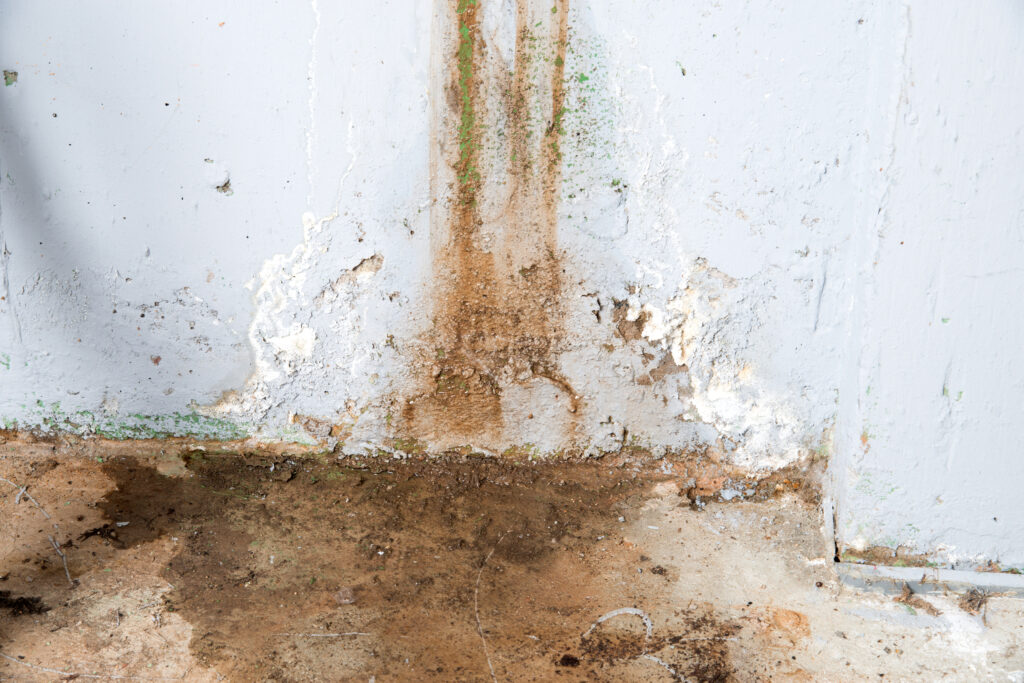
That Damp, Musty Smell? It Could Be Mold
If you walk down into your basement and are hit with a damp, earthy smell, don’t just write it off as a “normal basement smell.” That musty odor is often caused by mold or mildew, which loves to grow in damp, dark places. Water getting into your basement creates the perfect environment for it to thrive. You might even see visible mold, which can look like fuzzy spots of black, green, or white on walls, floors, or stored items. Since mold can affect your home’s air quality and your family’s health, treating the underlying moisture issue is incredibly important.
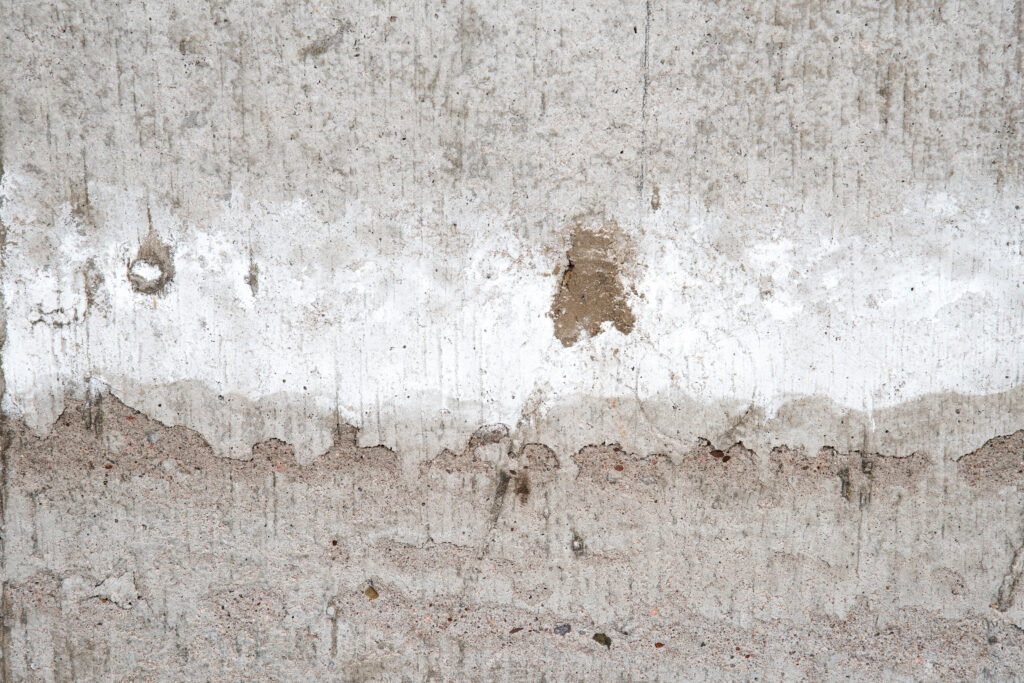
What Are Those Chalky White Stains?
Have you ever seen a white, powdery substance on your concrete or brick walls? It almost looks like chalky dust. This is a sign called efflorescence. It happens when water seeps through the concrete, dissolves natural salts and minerals inside, and then evaporates, leaving those powdery deposits behind. While efflorescence itself isn’t harmful and can be cleaned off, it’s a sure sign that water is passing through your walls. Think of it as evidence left at the scene. The only way to stop it for good is to prevent water from getting into the concrete in the first place with the right basement waterproofing products.
Spotting Obvious Cracks and Drips
This one is the most obvious sign of all: seeing water actively dripping or seeping through a crack in the wall. Even a tiny hairline crack can be a pathway for water, especially after a heavy rain when the ground is saturated. You might also notice puddles on the floor near the walls. While it’s tempting to just patch the crack from the inside, that’s usually a temporary fix. Most leaks start because of pressure or problems outside the house. These cracks can sometimes point to bigger foundation problems, so it’s important to understand why the crack appeared in the first place.
Can I Fix a Leaky Basement Wall Myself?
When you spot a damp spot or a trickle of water on your basement wall, your first instinct might be to head to the hardware store. For very small, isolated leaks, a do-it-yourself approach can sometimes provide a temporary fix and give you some peace of mind. Several products are available that allow homeowners to patch cracks and seal surfaces from the inside. These methods can be a decent first line of defense, especially if you’re dealing with a minor issue and want to stop water from causing immediate damage.
However, it’s important to remember that most interior fixes address the symptom, not the source of the problem. The water is still accumulating on the other side of your foundation wall, building up pressure and looking for a way in. While a patch might stop one leak, that pressure could eventually cause another leak to appear elsewhere. Think of it like putting a bucket under a leaky roof; it contains the mess for now, but it doesn’t fix the hole. Let’s walk through some of the most common DIY solutions and what you can realistically expect from them.
A Quick Patch for Active Leaks
If you have water actively seeping through a crack, hydraulic cement is a popular go-to for an emergency patch. This stuff is pretty neat; it’s a special compound that sets incredibly fast and expands as it cures, creating a strong plug. It can even set while underwater, which is why it’s so effective for active leaks. The key is to work quickly and only mix a small amount at a time, just enough for a few minutes of work, because it hardens fast. While it’s great for stopping a drip in its tracks, this patch doesn’t solve the external water pressure that caused the leak in the first place. It’s a solid temporary fix, but a long-term basement waterproofing strategy is needed for a permanent solution.
Using Hydraulic Cement for Small Holes
When you’re dealing with an active drip, hydraulic cement can be a real lifesaver for an emergency patch. This special compound is designed to set incredibly fast—even underwater—and it expands as it cures, creating a tight seal that can stop a small leak in its tracks. To use it, you’ll want to work quickly, mixing only a small batch at a time that you can apply within a few minutes before it hardens. While it’s an effective way to plug a hole and stop immediate water entry, it’s important to view this as a temporary fix. The patch doesn’t address the underlying issue, which is the water pressure outside your foundation. For a permanent fix, you need a comprehensive basement waterproofing system that manages water before it can push against your walls.
Filling Cracks with Epoxy or Polyurethane
For small, non-structural cracks, you can find DIY injection kits at most home improvement stores. These kits typically use either epoxy or polyurethane foam to fill the crack from the inside out. Polyurethane is often a good choice because it’s flexible. As it injects into the crack, it expands to create a watertight seal that can withstand minor foundation movement without re-cracking. This method can be quite effective for sealing a specific point of entry. However, if you see large, horizontal, or stair-step cracks, it’s best to pause. These can be signs of more serious foundation problems that a simple injection won’t solve.
Can Waterproof Paint Really Stop a Leak?
Walking down the paint aisle, you’ll see several thick, heavy-duty waterproof paints and sealants designed for basement walls. These products work by creating a barrier on the interior surface to hold back moisture. While they can help with minor dampness or condensation, they are not a solution for active leaks or significant water intrusion. If you apply a sealant over a wall where water pressure is high, the water can get trapped inside the concrete block. This can cause the paint to bubble and peel, and over time, it can even lead to the wall itself deteriorating. Think of waterproof paint as a final, finishing touch after the real water problem has been solved from the outside.
Prepping the Walls for Waterproof Paint
Before you even think about rolling on a coat of waterproof paint, the prep work is everything. For these sealants to do their job, they need to soak into the tiny pores of your concrete or masonry walls to create a strong bond. If your wall already has a layer of paint on it, that old paint acts as a barrier, preventing the new sealant from adhering properly. You’ll need to remove any loose or peeling paint first. Then, give the walls a thorough cleaning with a stiff brush to scrub away any dirt, dust, or that chalky efflorescence. A clean surface not only helps the paint stick, but it also gives you a chance to spot any little cracks you might have missed before.
Tips for Applying Waterproof Sealer
Once your walls are clean, make sure they are completely dry before you move on to the next step. Applying anything to a damp wall is a recipe for failure. After it’s dry, take a close look and fill any small holes, dings, or non-structural cracks with a spackle or concrete patching compound. This creates a smooth, uniform surface for the paint. Just before you start painting, do one last sweep with a stiff brush or even a vacuum with a brush attachment. This will get rid of any lingering dust particles that could get trapped in the paint and weaken the seal. Taking your time with these steps will give you the best possible result from your efforts.
How Much Water Pressure Can Sealants Handle?
Here’s the honest truth: waterproof paint is more of a moisture barrier than a leak-stopper. It can handle a bit of dampness, but it’s no match for the serious hydrostatic pressure we talked about earlier. If you have significant water pushing against your foundation from the outside, a layer of paint on the inside will only trap that moisture within the wall. This can cause the paint to bubble and peel off, and worse, it can lead to the concrete itself deteriorating over time. A true, long-term fix involves a complete basement waterproofing system that manages and redirects water, rather than just trying to block it.
What to Do in a Water Emergency
When you’re dealing with a sudden leak, the goal is to manage the situation and prevent further damage. Quick fixes like applying hydraulic cement or even temporarily packing a crack with sealant can buy you valuable time. These emergency patches are designed to stop the flow of water right now, giving you a chance to dry the area and figure out your next steps. Just remember that these are stop-gap measures. They don’t address the hydrostatic pressure, poor drainage, or grading issues that are forcing water against your foundation. A permanent fix involves a system of professional basement waterproofing products designed to manage water for good.
How Pros Fix a Leaking Basement Wall for Good
When you’ve tried every quick fix and still find water in your basement, it can feel pretty defeating. The good news is that professional solutions are on a completely different level. Instead of just patching over a crack, a professional waterproofing strategy is about creating a complete system to manage water around your home. Think of it less like plugging a hole and more like rerouting a stream. The goal is to address the real source of the problem, which is often the immense pressure that water-saturated soil puts on your foundation walls.
A lasting fix involves looking at the entire picture, from your yard’s slope to the tiny gaps where your walls meet the floor. Professionals use a combination of time-tested methods and specialized products to control water both inside and outside your foundation. This approach doesn’t just stop the current leak; it creates a dry, protected space that stands up to heavy rains and shifting seasons. It’s about giving you a permanent solution so you can finally stop worrying every time you see storm clouds on the horizon.
Waterproofing Your Foundation from the Outside
One of the most thorough ways to waterproof a basement is from the outside in. You can think of an exterior waterproofing membrane as a durable, seamless raincoat for your foundation. To apply it, a team carefully excavates the soil around your home’s foundation. Then, they apply a thick, rubber-like waterproof coating directly to the exterior walls. This barrier physically stops water from ever touching your concrete. To make it even more effective, this process is usually paired with an exterior drain tile system that collects groundwater and channels it safely away from your home. It’s a big job, but it’s one of the most effective ways to stop leaks at the source.
Managing Water with Interior Drains
An interior drainage system is a fantastic and less disruptive way to guarantee a dry basement. This method works by managing any water that makes its way through the foundation walls. A specially designed drainage channel is installed just below the floor, right where the walls and floor meet. This channel acts like a hidden gutter, collecting water and directing it to a sump pit. Tucked inside the pit is a reliable sump pump, which automatically pumps the water out of your basement and far away from your house. It’s a highly effective system for relieving water pressure and is a go-to solution for many homeowners.
A Complete Foundation Waterproofing Plan
The best and most permanent solutions often involve a few different tools working together. A comprehensive basement waterproofing plan is a custom-built strategy that addresses all of your home’s specific vulnerabilities. A professional will start with a deep dive into what’s causing your issues, from poor outdoor drainage to underlying foundation problems. Your tailored plan might include an interior drainage system, a vapor barrier on the walls to stop moisture, and a dehumidifier to control the air quality. By combining the right solutions, you get a multi-layered defense that ensures your basement stays dry, healthy, and comfortable for years to come.
Our Proven Method for Fixing Leaks
Here at Vesta, we know that no two homes are exactly alike, which means a cookie-cutter solution just won’t cut it. Our process always starts with a thorough inspection and a conversation with you about what you’ve been experiencing. We want to find the true source of the water so we can recommend a solution that fixes the problem for good. Our trained specialists will design a custom plan using proven methods and high-quality products that are right for your home. We believe in doing the job right the first time, giving you a permanent solution and the peace of mind that comes with a dry, stable foundation.
How to Prevent Future Basement Wall Leaks
Once you’ve addressed a leak, the last thing you want is a repeat performance. The good news is that you can take some proactive steps to keep your basement dry for the long haul. Preventing water from building up against your foundation is the name of the game. Many of these are simple maintenance tasks you can do yourself, while others might point to a bigger issue that needs a professional eye. By being diligent, you can protect your home and your peace of mind.
Think of it like this: your home’s foundation is constantly dealing with pressure from the surrounding soil and water. Your job is to reduce that pressure as much as possible. A little prevention goes a long way in avoiding the stress and expense of another leak. Let’s walk through some of the most effective ways to keep water where it belongs: away from your basement.
Ensure Your Yard Slopes Away from the House
It might sound technical, but “grading” is just the slope of the ground around your house. Ideally, your yard should gently slope away from your foundation on all sides. This simple slope uses gravity to direct rainwater and melting snow away before it has a chance to pool against your basement walls. If the ground is flat or, even worse, slopes toward your house, you’re essentially inviting water to settle right where you don’t want it. Proper grading is a fundamental part of any effective basement waterproofing strategy and is often the first line of defense against leaks.
Keep Your Gutters and Downspouts Clear
This is one of the most important and easiest chores you can do to protect your foundation. Your gutters are designed to catch all the water that runs off your roof and channel it safely away. But if they’re clogged with leaves, twigs, and other gunk, they can’t do their job. Instead, water will spill over the sides and saturate the ground right next to your foundation. Make it a habit to clean your gutters at least twice a year. Also, check your downspouts. They should extend several feet away from your house to ensure water is discharged a safe distance from your basement.
Extending Your Downspouts Away from the Foundation
Simply having downspouts isn’t enough; where they deposit water is critical. Most standard downspouts release water right next to the foundation, which is the last place you want it. The goal is to move that water at least five to ten feet away from your home. You can easily find affordable downspout extensions at any hardware store. These simple attachments connect to your existing downspouts and can be buried just under the surface to direct water far out into your yard. Taking this one small step can dramatically reduce the amount of water soaking into the soil around your foundation, which in turn lowers the hydrostatic pressure that leads to basement flooding and leaks. It’s one of the most effective preventative measures you can take.
Don’t Forget About Your Window Wells
Basement window wells can be a major source of leaks if they aren’t managed correctly. A window well can act like a small aquarium, collecting rainwater and debris until the water pressure forces its way through the window frame or seams. Make sure your window wells have proper drainage to let water escape. If they’re constantly filled with leaves and dirt, clean them out. You might also consider adding a window well cover. These clear covers keep debris and excess water out while still letting in sunlight, preventing a common cause of basement flooding.
Keep an Eye on Your Foundation
Being a proactive homeowner means knowing what to look for. It’s helpful to understand that there’s a difference between the cause of a leak (like poor grading) and the source of a leak (like a crack in the wall). While the tips above help manage the causes, you should also regularly inspect for sources. Take a walk around your foundation every few months, especially after heavy rain. Look for new cracks, crumbling mortar, or any signs of water. Catching these foundation problems early can save you from a much bigger headache down the road.
Waterproofing Tools and What They Do
When you’re dealing with a leaky basement, it helps to know what tools are in the toolbox. Understanding the different products professionals use can give you a clearer picture of what a real, long-term solution looks like. It’s not just about patching a crack here or there. A truly dry basement relies on a system of components working together to manage water and moisture from every angle. From stopping water vapor in its tracks to actively pumping water out and away from your home, each product plays a specific role. Let’s walk through some of the key players in a professional waterproofing system so you know what to look for.
What’s a Vapor Barrier?
Think of a vapor barrier as a raincoat for your basement or crawl space walls. This heavy-duty liner is specifically designed to stop water vapor from seeping through the porous concrete. Even if you don’t have active leaks, moisture from the surrounding soil can pass through your foundation, making your basement feel damp and creating a perfect environment for mold. A professionally installed vapor barrier is a critical part of a complete waterproofing system. It seals out that pesky moisture, helping to eliminate musty smells, protect your stored belongings, and preserve your home’s structural integrity.
The Difference Professional Sealants Make
While you can find sealants at any hardware store, the materials a professional uses are in a different league. These aren’t just simple patches; they are advanced compounds designed to bond with concrete and create a durable, flexible seal that can withstand the pressure of groundwater. It’s important to remember that sealing a crack is often just one step in a bigger plan. If a crack is caused by a shifting foundation, just sealing it won’t solve the underlying issue. That’s why a full inspection is so important to pair the right basement waterproofing products with the root cause of the leak.
How a Sump Pump Keeps Your Basement Dry
If water is finding its way into your basement, you need a reliable way to get it out. That’s where an interior drainage system and a sump pump come in. The drainage system, installed along the inside perimeter of your basement floor, acts like a gutter, collecting any water that seeps in. This water is then channeled to a basin where the sump pump is located. The pump automatically turns on when the water reaches a certain level, pumping it safely away from your foundation. This powerful duo is the heart of an active basement waterproofing system, offering peace of mind during heavy rains.
Why You Might Need a Dehumidifier
After you’ve stopped active leaks and managed groundwater, the final step is to control the moisture in the air. Basements are naturally damp, and that humidity can lead to musty odors and mold growth, even in a waterproofed space. A high-capacity crawl space dehumidifier is built to handle the unique conditions of a below-ground area. It pulls excess moisture from the air, keeping the relative humidity at a healthy level. This not only makes your basement feel more comfortable but also protects your home and family from the problems associated with poor air quality.
Will Homeowner’s Insurance Cover a Leaky Basement?
This is one of the first questions that pops into a homeowner’s head when they find water, and it’s a completely valid one. The honest answer, though, is that it’s complicated. Most standard homeowner’s insurance policies are designed to cover damage that is “sudden and accidental.” Think of a pipe bursting or a washing machine hose failing unexpectedly. In those cases, your policy will likely help with the cleanup and repairs. However, when it comes to water seeping through your foundation walls, insurance companies often see things differently. The source of the water is the most important factor in determining whether or not you’ll be covered.
Unfortunately, the slow, persistent leaks caused by groundwater pressure or foundation cracks are typically not covered. Insurers often classify this type of water intrusion as a maintenance issue, arguing that it’s a gradual problem that could have been prevented with proper upkeep. From their perspective, a foundation that leaks over time due to saturated soil or poor drainage isn’t a sudden accident. This is why many homeowners find their claims denied, leaving them to handle the cost of repairs on their own. It’s a frustrating reality, but understanding this distinction is key to managing your expectations and finding the right solution.
Since insurance is often a dead end for these kinds of leaks, the best approach is to focus on a permanent solution that addresses the root cause. Investing in a professional basement waterproofing system isn’t just about fixing a current leak; it’s about preventing future ones and protecting your home’s value in the long run. By managing groundwater before it can put pressure on your foundation, you take control of the situation. This proactive step provides the kind of lasting protection and peace of mind that an insurance policy simply isn’t designed to offer for gradual water issues.
When Is It Time to Call a Professional?
Trying to fix things yourself is admirable, but some jobs are just too big for a weekend project. When it comes to your home’s foundation and basement, a small leak can sometimes be a sign of a much larger issue. Knowing when to put down the caulk gun and pick up the phone can save you a lot of time, money, and stress down the road. If you find yourself in any of the following situations, it’s a good idea to get a professional opinion.
If You See Bowing Walls or Major Cracks
If you see large, horizontal, or stair-step cracks in your basement walls or floor, it’s time to call for help. These aren’t just surface-level blemishes; they can indicate that your foundation is shifting or settling. Other serious red flags include bowing or bulging walls and floors that are noticeably uneven. While you might think a leak is just a water problem, it can be a symptom of serious foundation problems that threaten your home’s stability. An expert can assess the situation to see if the grading and drainage around your home are contributing to the issue and recommend a permanent fix.
When Your DIY Patches Don’t Hold Up
You’ve patched the cracks, applied a fresh coat of waterproof paint, and you’re still finding puddles on the floor. It’s frustrating, but it’s also a clear sign that the problem is more than skin deep. Most DIY solutions are temporary because they only address the leak from the inside. The real issue is often outside, where water pressure is pushing against your foundation walls. Trying to seal your basement from the inside without fixing the external cause is often a losing battle. A professional basement waterproofing solution will address the root of the problem for a lasting result.
If Water Is Pooling Around Your Foundation
Take a look outside after a heavy rain. If you see water pooling near your foundation or your yard feels constantly soggy, you likely have a significant drainage issue. Poor grading, clogged gutters, or simply the lay of your land can direct gallons of water right toward your basement walls. While you can take steps to improve drainage, some situations require heavy-duty solutions. If you’ve done all you can and water is still getting in, a professional can install an exterior or interior drainage system to manage the water before it ever has a chance to breach your walls.
When You’re Concerned About Mold and Air Quality
That musty smell in your basement isn’t just unpleasant; it’s a warning sign. Persistent moisture creates the perfect environment for mold and mildew to grow, which can affect your home’s air quality and your family’s health. Water can also damage stored belongings and compromise the wooden structures of your home over time. If you see visible mold or can’t seem to shake that damp, earthy smell, it’s important to act quickly. A dry basement is a healthy basement, and professional crawl space waterproofing and basement solutions are the best way to protect your home and family.
Choosing a Reputable Waterproofing Contractor
Choosing the right contractor to work on your home is a big decision, and it can feel a little overwhelming. You’re not just looking for someone to fix a leak; you’re looking for a partner who will protect your home for the long haul. The best contractors don’t just offer a single product or a quick patch. They take the time to investigate the real source of the problem, whether it’s pressure from the soil, poor drainage, or issues with your foundation. They understand that a lasting fix is a complete system designed to manage water around your home, not just a temporary plug for a crack.
When you’re talking to potential contractors, listen for how they describe their approach. Do they offer a one-size-fits-all fix, or do they perform a thorough inspection to understand the unique pressures affecting your home? A reputable company will explain how different components, like an interior drainage system and a reliable sump pump, work together to create a comprehensive basement waterproofing solution. They should be able to create a custom plan that addresses your home’s specific vulnerabilities, ensuring you get a permanent fix that gives you peace of mind for years to come.
Related Articles
- Waterproofing Basement Walls – Foundation Repair & Basement Waterproofing
- Foamax Wall Panels – Foundation Repair & Basement Waterproofing
- Basement Flooding – Foundation Repair & Basement Waterproofing
- How Winter Weather Affects Your Foundation
- Foundation Wall Failure: A Better Fix Than Replacement
Frequently Asked Questions
Is a tiny bit of water in my basement really a big deal? It’s easy to dismiss a small puddle or a little damp spot, but even a minor leak is a sign that water pressure is building up outside your foundation. Over time, that constant moisture can lead to bigger problems like mold growth, musty smells, and damage to your walls and stored items. Think of it as a warning sign that your home’s defenses are being tested, and it’s always better to address the cause before it gets worse.
I used waterproof paint, but it’s bubbling and peeling. Why didn’t it work? This is a really common frustration. Waterproof paint creates a surface barrier, but it doesn’t stop the water pressure that’s pushing against your foundation from the outside. When that pressure is strong enough, it can force moisture into the concrete behind the paint, causing it to bubble, blister, and peel away. It’s a classic case of treating the symptom instead of the source of the problem.
How can an interior drainage system fix a problem that starts outside? That’s a great question. Instead of trying to block the water out (which can be a tough battle against nature), an interior drainage system is designed to manage it. It works by collecting any water that seeps through the foundation at its most common entry point, which is the wall-floor joint. The system then channels that water to a sump pump, which safely pumps it out and away from your house. It’s a permanent way to relieve that water pressure and keep your basement floor dry for good.
My house is only a few years old. Why are my basement walls already leaking? It can be surprising, but leaks can happen in homes of any age. New construction can settle in its first few years, which can create tiny cracks in the foundation. Also, if the soil around your home wasn’t graded properly or if the exterior drainage wasn’t installed perfectly, heavy rains can quickly saturate the ground and put immense pressure on your new walls, forcing water to find a way inside.
What’s the difference between the white chalky stuff and mold? The white, powdery substance you see on concrete walls is called efflorescence. It’s just salt deposits left behind when water seeps through the concrete and then evaporates. While it’s a clear sign of moisture, efflorescence itself is harmless. Mold, on the other hand, is a living organism that often appears as black, green, or fuzzy spots and comes with a distinct musty odor. Mold can impact air quality, so it’s important to address the moisture problem that allows it to grow.