
What to Expect After Foundation Repairs in Northwest Arkansas
After your foundation repair is complete, you can finally breathe a sigh of relief. The major work is done, and your home is back on solid ground. But the job isn’t entirely over. To protect your investment and prevent future issues, you need to be proactive with your home maintenance. Think of it as aftercare for your house. A foundation repair is a significant financial commitment, and a little regular attention is the best way to ensure that fix lasts for decades. It’s your insurance policy against having to repeat the process. By staying on top of a few key areas, you can keep the soil around your home stable and your foundation secure, saving yourself from more stress and expense down the road. This ongoing care is crucial for maintaining your home’s structural integrity and its overall value. It’s about shifting from a reactive approach, where you fix problems as they appear, to a preventative one that stops them before they start. These simple habits don’t require a lot of time or money, but they make a world of difference in the long-term health of your home.
Keep Water Away from Your Foundation
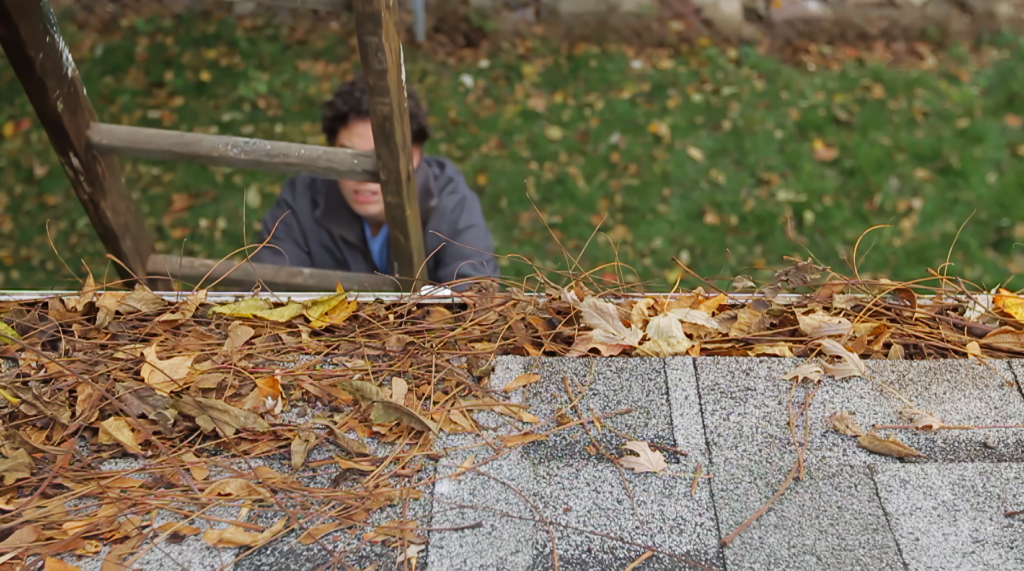
This is arguably the most important step you can take, and Northwest Arkansas is no stranger to severe weather and heavy rains. Water is the primary enemy of a healthy foundation because it causes the soil around it to expand and contract, putting constant pressure on your home. As experts often note, proper drainage helps keep soil stable and reduces the need for future repairs. Make it a habit to clean your gutters every fall and spring to prevent overflows. You should also check that your downspouts carry water at least five feet away from your house. Finally, ensure the ground around your home slopes gently away from the foundation to prevent water from pooling near the walls after it rains.
Installing Proper Drainage Systems
If your yard is flat or slopes toward your house, gutters and downspouts might not be enough to handle Northwest Arkansas heavy rains in the Fort Smith and Ozarks areas. In these cases, installing a proper drainage system can be a game-changer. Think of systems like an exterior French drain, which is essentially a gravel-filled trench that collects and redirects surface and groundwater away from your home. This prevents water from saturating the soil right next to your foundation. While it sounds like a big project, it’s one of the most effective ways to manage water long-term and protect your home from future basement flooding and foundation movement. A professional can assess your property’s specific needs and design a system that keeps your foundation safe and dry. Vesta Foundation Solutions also provides waterproofing solutions for any water intrusion problems.
Maintaining Consistent Soil Moisture
It might sound strange, but you want the soil around your foundation to stay consistently moist—not too wet and not too dry. The real trouble starts when the soil goes through extreme cycles of swelling when it’s soaked and shrinking when it’s bone-dry. During long, hot Arkansas summers, the soil can pull away from your foundation, leaving it unsupported. To prevent this, you can lightly water the ground around your home during dry spells. A soaker hose is a great tool for this. The goal is to keep the soil damp, not to create a muddy mess. This simple step helps minimize soil movement and reduces the stress on your foundation, preventing new foundation problems from developing.
Why Regular Check-ups Matter
You don’t need to be an expert to keep an eye on your foundation. Simply walking around your property a few times a year can make a huge difference. Look for any new cracks in the foundation walls, bricks, or interior drywall. Check for signs of moisture in your basement or crawl space, like damp spots or a musty smell. Regularly inspecting your foundation is vital for catching small issues before they become big, expensive problems. It’s also smart to have a professional come out for a check-up every few years, especially if you live in an area with shifting soil or extreme weather.
Know What to Look For in the Future
Your house will often give you clues when something isn’t right. You just have to know what to look for. Pay attention to the little things that seem off. Are new cracks appearing above doorways or windows? Do your floors suddenly seem to slope or feel bouncy? Doors and windows that start to stick or refuse to close properly are classic signals of foundation movement. If you notice any of these signs, don’t wait and hope they go away. Addressing a problem early is the best way to handle it quickly and affordably, preventing a small issue from turning into another major repair.
Think Your Foundation Needs a Lift?
If you’re a Northwest Arkansas homeowner and in need of foundation repair, Vesta Foundation Solutions can provide a FREE comprehensive inspection and estimate. Our projects are backed by long-term or lifetime warranties. Request a free inspection from our team, with the below link.
Frequently Asked Questions for Arkansas Homeowners
How can I tell if a crack is serious or just a normal part of a house settling? This is a great question, as not every crack spells disaster. Generally, small, vertical hairline cracks in a concrete slab are less concerning than horizontal or “stair-step” cracks in your walls. The most telling signs of a serious issue are cracks that are wider than a quarter-inch, are wider at one end than the other, or have one side that is higher than the other. If you see these, or if you notice cracks appearing alongside other symptoms like sticking doors, it’s a clear signal to call a professional for an assessment.
Will I have to move out of my house during the foundation repair? For the vast majority of slab foundation repairs, you can absolutely stay in your home. Most methods, like polyurethane foam injection or pier installation, are performed from the outside and cause minimal disruption to your daily life. While there might be some noise during work hours, the process is typically not invasive enough to require you to relocate. Your contractor will give you a clear idea of what to expect and will let you know if any specific, unusual circumstances would require you to be away for a short time.
How long does a typical foundation repair project take? The timeline really depends on the method being used and the extent of the damage. Simpler jobs, like injecting epoxy into a few cracks or lifting a small section of a slab with polyurethane foam, can often be completed in just a day or two. More extensive projects, such as underpinning a significant portion of your home with helical piers, might take a week or more. A reliable contractor will provide you with a detailed project schedule before any work begins.
Is foundation repair covered by my homeowner’s insurance? Unfortunately, foundation repair is typically not covered by standard homeowner’s insurance policies. Most policies exclude damage that results from gradual soil settlement or poor construction, viewing it as a maintenance issue rather than a sudden, accidental event. However, there can be exceptions. If the foundation damage was a direct result of a covered peril, like a burst pipe or a natural disaster, you might have a case for a claim. It’s always best to review your specific policy and speak with your insurance agent to be sure.
Once the repair is done, will my house go back to exactly how it was before? The primary goal of foundation repair is to stabilize your home and prevent any further movement, which it does very effectively. In many cases, lifting the foundation can also close up cracks and improve the function of sticky doors and windows. However, it’s important to have realistic expectations. The process is focused on structural correction, not cosmetic perfection. You may still need to do some minor cosmetic work afterward, like patching drywall or repainting, to fully restore your home’s appearance.