
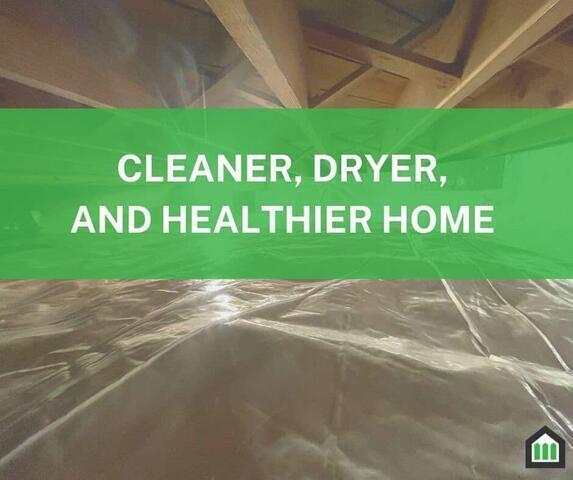
Did you know that up to 50% of the air on your first floor comes directly from the crawl space? A natural airflow pattern called the “stack effect” pulls air from the lowest level of your house up into your living areas. This means if your crawl space is damp, moldy, or filled with allergens, that’s exactly what you and your family are breathing. A healthy crawl space is non-negotiable for a healthy home. For any owner of a crawl space home, addressing the environment below is one of the most important things you can do for your family’s well-being.
If you are experiencing drywall cracks, uneven floors, or even a musty or foul smell within your home, give us a call! Our team of crawl space specialists has been trained to help provide the best solution to offer you and your family cleaner, dryer, and healthier crawl space.
The Importance of Regular Inspections
Because your crawl space is out of sight, it’s easy to forget about it. However, ignoring this part of your home can lead to significant problems down the road. That’s why making a habit of checking on it is so important. As one expert notes, “Inspecting your crawl space at least once a year is crucial for preventing expensive damages.” During your inspection, look for signs of trouble like standing water, damp insulation, mold or mildew growth, pest infestations, and cracks in the foundation walls. Catching these issues early can save you from costly repairs and protect your home’s structural integrity and the air quality your family breathes. If you’re not sure what to look for, a professional inspection can give you a clear picture of your crawl space’s health.
Exterior Water Management Solutions
The first step to a dry crawl space actually begins outside your home. The main goal is to manage rainwater and groundwater effectively, preventing it from ever reaching your foundation in the first place. Think of it as your home’s first line of defense against moisture intrusion. By focusing on how water behaves around your property, you can solve many potential crawl space issues before they start. The two most critical components of exterior water management are your gutter system and the grading of your yard. When both are working correctly, they direct water safely away from your home, keeping the soil around your foundation from becoming oversaturated and protecting your crawl space from leaks and humidity.
Maintaining Gutters and Downspouts
Your home’s gutter system plays a huge role in protecting your foundation. Its job is to collect all the rainwater that hits your roof and channel it to a safe location. However, if your gutters are clogged with leaves and debris, they can overflow, dumping water right next to your foundation walls. To avoid this, you should clean your gutters at least twice a year. It’s also vital to “make sure rain gutters direct water away from the house.” This means your downspouts should have extensions that carry water at least four to six feet away from your home, preventing it from pooling and seeping into your crawl space, which can lead to serious foundation problems.
Ensuring Proper Yard Grading
Yard grading refers to the slope of the land surrounding your home. Ideally, the ground should slope away from your foundation on all sides. This is called “positive grading,” and it uses gravity to ensure that rainwater and melting snow drain away from the house naturally. If the ground slopes toward your home, a condition known as “negative grading,” it essentially creates a funnel that directs water straight to your foundation walls. This can lead to immense pressure on the walls and cause water to find its way into your crawl space. Correcting poor grading, often by adding soil to build up the area around the foundation, is a fundamental step in waterproofing your home from the outside.
Interior Solutions for a Dry Crawl Space
While managing water on the outside is your first line of defense, sometimes you need to address moisture from within the crawl space itself. This is especially true in humid climates where moisture can evaporate from the ground and condense on surfaces. Interior solutions focus on isolating your home from the earth below, creating a clean, dry, and controlled environment. This process, often called conditioning the crawl space, involves sealing off sources of moisture and managing the air quality. The most effective strategies include installing a vapor barrier, sealing vents, and using a dehumidifier to control humidity levels, transforming a damp, musty area into a healthy part of your home.
Crawl Space Encapsulation with Vapor Barriers
Crawl space encapsulation is a comprehensive solution for sealing out moisture and outdoor air. The process involves lining the floor and walls of the crawl space with a thick, durable plastic sheet. As one source explains, “Encapsulation means putting a heavy plastic sheet (vapor barrier) over the ground and walls, sealing all holes, fixing the crawl space door, and using a dehumidifier to control air moisture.” The centerpiece of this system is the vapor barrier, which stops water vapor from the soil from entering the crawl space air. By completely sealing the space, you prevent moisture intrusion, reduce humidity, and make the area inhospitable to mold and pests, which is a core component of professional crawl space waterproofing.
A Note on Alternative Professional Opinions
While full encapsulation is a widely accepted and effective solution, it’s worth noting that not all experts agree it’s the only way. Some professionals have a different perspective. For instance, one expert “generally does not recommend fully sealing off (encapsulating) a crawl space… They prefer specific treatments for pests, mold, and using a plastic vapor barrier on the ground.” This approach focuses on laying a vapor barrier on the crawl space floor but leaves the walls and vents as they are. The best method for your home often depends on your specific climate, the condition of your crawl space, and the nature of your moisture problem. A thorough professional assessment can help determine the right solution for your unique situation.
The Role of Insulation and Energy Efficiency
A dry, sealed crawl space does more than just prevent moisture problems—it can also make your home more energy-efficient and lower your utility bills. Traditional vented crawl spaces allow humid, hot air in during the summer and cold air in during the winter, forcing your HVAC system to work harder to maintain a comfortable temperature. A study by the U.S. Department of Energy confirmed this, finding that “homes in the southeastern U.S. with closed, sealed, and insulated crawl spaces used much less energy for heating and cooling.” By sealing the vents and adding insulation, your crawl space becomes a conditioned part of your home, leading to more stable indoor temperatures and significant energy savings over time. A crawl space dehumidifier is key to maintaining this controlled environment.
Crawl Space Specialists in Oklahoma
Your home moves like a well-oiled machine and crawl space can be detrimental to the rest of your home if it begins to grow mold, rot, or deteriorate. Our crawl space expert here at Vesta Foundation Solutions can help you and your family repair your home’s crawl space to help benefit your home. We specialize in Crawl Space Encapsulation, Crawl Space Stabilization, Rim and Joist Replacement, and more.
Failing to provide insulation can cause some crawl spaces to create moisture, mold, and deterioration. While encapsulating a crawl space, the area protects the interior from outdoor conditions, which helps keep the space clean and dry. Our Vesta Encapsulation Liner can also help maximize your storage space within your home and provide a clean and dry area.
What is a Home Crawl Space?
If you’ve ever heard the term “crawl space” and pictured a dark, mysterious area under a house, you’re pretty much on the right track. It’s a common feature in many homes, especially those without a full basement. Essentially, it’s the shallow, unfinished space between the ground and the first floor of your home. Understanding what it is and why it’s there is the first step to making sure it’s helping, not hurting, your home’s overall health. Let’s break down the basics of this often-overlooked part of a house.
Defining the Space Under Your Home
A crawl space gets its name for a straightforward reason: it’s usually only one to three feet high, so you have to crawl to get around in it. This hollow area is created by foundation walls that elevate the home’s structure off the ground. Unlike a basement, it’s not intended to be a living area. Instead, it houses the “guts” of your home, like plumbing, electrical wiring, and sometimes even your HVAC system. Think of it as a service area that provides a buffer between your house and the earth below, giving professionals access to make necessary repairs and installations without disrupting your daily life inside the home.
The Original Purpose and History of Crawl Spaces
Originally, crawl spaces were designed with vents to promote air circulation under the home, which was thought to help keep the area dry and prevent moisture buildup. The idea was that letting outside air flow through would carry away any dampness from the ground. However, we now know that in humid climates like ours in Arkansas, this can backfire. Vented crawl spaces often pull in warm, moist air, which can lead to condensation, mold growth, and wood rot, creating more problems than it solves. This outdated approach is why many homeowners now opt for sealed or encapsulated crawl spaces to better control the environment under their homes.
How Crawl Spaces Are Built
Crawl space foundations are typically constructed with short foundation walls made of poured concrete or concrete blocks. These walls support the home’s main structure. The primary goals during construction are to provide a stable base for the house and to allow access for future repairs to utilities. While ventilation was a key part of older construction methods, modern building science often recommends sealing or encapsulating the crawl space to prevent moisture from entering in the first place. This is a much more effective approach to keeping the space dry, healthy, and structurally sound for the long term.
Where You’ll Typically Find Crawl Space Homes
Crawl space foundations are particularly common in certain regions of the country, especially in the Southeast. You’ll find them in areas with humid climates or where the soil conditions aren’t suitable for a full basement. In places with a high water table or expansive clay soil, digging a deep basement can be risky and expensive. A crawl space offers a practical and more affordable alternative, which is why they are a frequent sight in states like Arkansas. They provide a stable middle ground between a slab-on-grade foundation and a full, excavated basement, making them a popular choice for builders and homeowners alike.
The Benefits of a Crawl Space Foundation
While crawl spaces can have their issues if neglected, they also come with some significant advantages. For many homeowners, the benefits outweigh the potential drawbacks, especially when the space is properly maintained. From cost savings during construction to easier home maintenance down the road, a crawl space foundation can be a smart and practical choice. It offers a unique blend of accessibility and protection that other foundation types don’t always provide, making it a popular option for good reason when you consider the long-term needs of a home.
Cost-Effectiveness
One of the biggest draws of a crawl space foundation is the price tag. Building a crawl space is generally much cheaper than excavating for a full basement. It requires less digging, fewer materials, and less labor, which can lead to significant savings on the overall construction cost of a new home. For builders and homebuyers on a budget, this makes it an attractive and financially sound option without sacrificing the structural integrity of the house. It’s a practical compromise that provides many of the benefits of a basement at a fraction of the cost, freeing up funds for other parts of the build.
Easy Access to Home Utilities
Have you ever had a plumbing leak under a concrete slab? It can be a nightmare involving jackhammers and major disruption. A huge advantage of a crawl space is the convenient access it provides to your home’s essential systems. Plumbers, electricians, and HVAC technicians can easily get under the house to inspect, repair, or upgrade pipes, ducts, and wiring. This accessibility can save you a lot of time, money, and headaches when it comes to home maintenance. If you ever need professional crawl space repair, having that access makes the job much more straightforward for the experts.
Ideal for Sloped or Uneven Land
Not every plot of land is perfectly flat. For properties with a slope or uneven terrain, a crawl space foundation is often a better solution than a concrete slab. It’s easier to build a level foundation with short support walls of varying heights than it is to grade a large, sloped area to pour a slab. This adaptability makes crawl spaces a versatile choice for a wider variety of building sites, allowing homes to be constructed securely on land that might otherwise be challenging to develop. This flexibility is a key reason why they are so common in hilly or rolling landscapes.
Protection From Minor Flooding
By elevating the home’s main living area off the ground, a crawl space provides a natural buffer against minor flooding and heavy rains. While it won’t protect against a major flood, it can keep your home dry during storms that might cause water to pool on the ground. This elevation also helps protect the wooden structure of your home from ground moisture, which can help prevent rot and termite damage over the long term. As long as the crawl space itself is kept dry through proper drainage and waterproofing, this feature adds a valuable layer of protection for your investment.
Common Crawl Space Problems and Their Causes
Despite their benefits, crawl spaces are notorious for developing problems if they aren’t properly cared for. Because they are dark, out of sight, and often exposed to the elements, they can become breeding grounds for issues that affect your entire home. From moisture and mold to pests and poor air quality, the problems that start in the crawl space rarely stay there. Understanding the most common issues and what causes them is key to protecting your home’s value and your family’s health, so you can address them before they become major headaches.
Moisture, Mold, and Humidity
The number one enemy of any crawl space is moisture. High humidity, water intrusion from outside, and condensation can create a damp environment perfect for mold and mildew growth. This not only produces musty odors but can also cause the wooden structures of your home, like floor joists and support beams, to rot and weaken over time. Controlling moisture through effective crawl space waterproofing is the most critical part of maintenance and is essential for preserving your home’s structural integrity and ensuring healthy indoor air quality for your family.
Vented vs. Unvented Crawl Spaces
As mentioned earlier, vented crawl spaces were once the standard, but they often cause more harm than good in humid regions. The vents allow moist, warm summer air to enter the cooler crawl space, where it condenses on surfaces and raises the overall humidity. This is why modern solutions often involve sealing the vents and installing a durable vapor barrier. This process, known as encapsulation, completely isolates the crawl space from outside air and ground moisture, creating a clean, dry, and conditioned environment that protects your home’s foundation.
Specific Signs of Moisture Problems
You don’t have to be an expert to spot the signs of a moisture problem. A musty, earthy smell in your home is a classic indicator that there’s mold or mildew in the crawl space. Other red flags include visible water droplets on pipes or ductwork, damp or falling insulation, and dark stains or fuzzy mold growth on wooden surfaces. If you notice your floors feel soft or bouncy, it could be a sign that the floor joists are beginning to rot from prolonged moisture exposure, which may require significant foundation repair to correct.
Key Moisture and Humidity Levels to Watch For
To get ahead of serious damage, it’s helpful to know some key numbers. Ideally, the relative humidity in your crawl space should be kept below 60% to prevent mold growth. You can measure this with a simple device called a hygrometer. Another critical measurement is the moisture content of the wood. If a moisture meter shows that the wood in your crawl space has a moisture content above 20%, it’s a sign that you need to take action quickly. A professional-grade crawl space dehumidifier is often the best solution for maintaining safe humidity levels year-round.
The “Stack Effect”: How Crawl Space Air Enters Your Home
It’s easy to think “out of sight, out of mind” with a crawl space, but the air down there doesn’t stay down there. A phenomenon called the “stack effect” naturally pulls air from the lower levels of your home upwards. As warm air rises and escapes through the upper floors and attic, it creates a vacuum that sucks air up from the crawl space. This means that up to 50% of the air you breathe on the first floor of your home can come from the crawl space, bringing with it any mold spores, dust mite allergens, and musty odors that are lurking below.
Common Pest Infestations
A dark, damp, and sheltered crawl space is an open invitation for all sorts of pests. Insects and rodents are drawn to the moisture and protection from the elements it provides. Once they’ve made a home under your house, it’s a short trip for them to find their way into your living spaces. A pest infestation is not only unsettling but can also cause significant damage to your home’s structure and insulation. This makes proactive pest control and moisture management a vital part of responsible homeownership, protecting both your property and your peace of mind.
Termites, Ants, and Spiders
Termites are one of the most destructive pests that can invade a crawl space. They thrive in moist wood and can silently eat away at your home’s foundation for years before being discovered. Carpenter ants also tunnel through damp wood to build their nests. Spiders are another common resident, drawn by the dark, quiet environment and the presence of other insects to prey on. The presence of these pests is often a symptom of underlying moisture issues and can be one of the first signs of serious foundation problems that need immediate attention from a professional.
Rodents and Other Wildlife
It’s not just insects you have to worry about. Mice, rats, squirrels, and even raccoons can find their way into a crawl space through small openings in the foundation or uncovered vents. These animals can chew through wiring, tear up insulation to make nests, and leave behind unsanitary droppings that can affect your home’s air quality. Sealing any entry points and keeping the crawl space dry and uninviting is the best way to ensure unwanted wildlife doesn’t decide to move in under your feet and cause costly damage to your home’s systems and structure.
Repairing Your Crawl Space
Crawl Spaces are typically out of sight out of mind for most homeowners. Most crawl space issues go unnoticed for a period of time. Crawl Space can control the air quality of your home as well as structural issues. It is essential to check your crawl space regularly to see if you or a family member can identify any symptoms of crawl space damage.
Symptoms of Crawl Space Damage
- Drywall cracks within interior walls
- Foul or musty smells
- Uneven floors
- Increased utility bills
- Heightened allergies or asthmatic symptoms
- High humidity
- Pest infestations
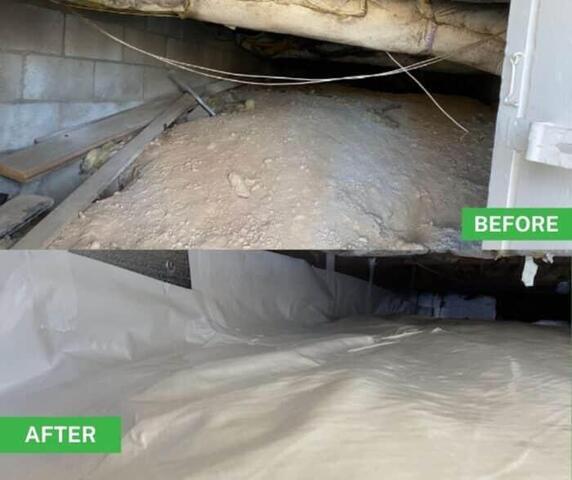
Let’s Take a Look: Schedule Your Inspection
If you are experiencing any of these issues, give our crawl space experts a call. One of our foundation design and diagnostic specialist can help provide you with a complete evaluation of your crawl space and home with a free quote for repair.
—
Vesta Foundation Solutions is an award-winning Oklahoma City foundation repair contractor and crawl space waterproofing specialist founded in 2017. We repair over 40 homes a week ranging from concrete repair to dirt crawl space solutions. We service all of Oklahoma such as: Tulsa, Yukon, El Reno Edmond.
When it comes to the long-lasting stability of your home, it is crucial to have an experienced professional to call. Vesta is a company that understands the best practices that will help restore and protect your home’s structural integrity. We provide free, no-obligation estimates in crawl space repair, foundation repair, concrete lift and leveling, and basement waterproofing.
Frequently Asked Questions
How often should I really be checking my crawl space, and what am I looking for? Making a habit of peeking into your crawl space once in the spring and once in the fall is a great routine. When you do, take a powerful flashlight and look for obvious signs of trouble. Pay attention to any standing water, damp insulation, dark stains on the wood, or visible mold growth. Also, keep an eye out for unwanted pests or damaged ductwork. Catching these issues early can prevent them from turning into much larger, more expensive problems.
Is that musty smell in my house really coming from the crawl space? There’s a very good chance it is. Due to a natural airflow pattern, air from the lowest level of your home is constantly being pulled up into your living areas. This means if your crawl space is damp and growing mold, those musty odors and mold spores are carried directly into the air you breathe every day. That smell is often the first sign that the environment under your home needs attention.
My gutters are clean. Why is my crawl space still damp? Keeping your gutters clear is an excellent first step, but it’s only one piece of the puzzle. Moisture can still get in if the ground around your foundation doesn’t slope away from the house. More importantly, in a humid climate like ours, a significant amount of moisture vapor naturally rises from the soil itself. This is why a comprehensive interior solution, like a vapor barrier, is often needed to truly keep the space dry.
What’s the difference between just laying down plastic and full encapsulation? Simply putting a plastic liner on the floor of your crawl space can help reduce moisture coming from the ground. Full encapsulation, however, is a complete system. It involves sealing a heavy-duty liner across the floor and up the foundation walls, sealing the vents, and often adding a dehumidifier. This process totally separates the crawl space from the earth and outside air, giving you complete control over the humidity and air quality.
Will fixing my crawl space actually help lower my energy bills? Yes, it can make a surprising difference in your monthly costs. An unsealed, vented crawl space lets in hot, humid air in the summer and cold air in the winter. Your HVAC system has to work overtime to combat these temperature swings. When you seal and condition the crawl space, it becomes a stable buffer zone, which means your heating and cooling systems don’t have to run as hard to keep you comfortable.
Key Takeaways
- What’s Under Your Home is In Your Lungs: The air in your crawl space naturally rises into your living areas through a process called the stack effect. This means any mold, musty odors, or allergens from a damp crawl space directly impact the air your family breathes every day.
- Control Water to Prevent Damage: Nearly every common crawl space issue, from mold and wood rot to pest infestations, starts with excess moisture. Water intrusion from poor drainage or humidity from the ground creates the perfect environment for problems that can compromise your home’s structure.
- Defend Your Home Inside and Out: Keeping your crawl space dry involves a two-front approach. First, manage water outside with clean gutters and proper yard grading. Second, seal the inside from ground moisture using solutions like a vapor barrier and a dehumidifier to create a clean, controlled space.
Related Articles
- 3 Proven Ways to Prevent Wood Rot for Good
- Controlling Crawl Space Humidity with Dehumidifiers – Foundation Repair & Basement Waterproofing
- Crawl Space Dehumidifier – Foundation Repair & Basement Waterproofing
- Moisture Barrier – Foundation Repair & Basement Waterproofing
- Vapor Barrier – Foundation Repair & Basement Waterproofing