
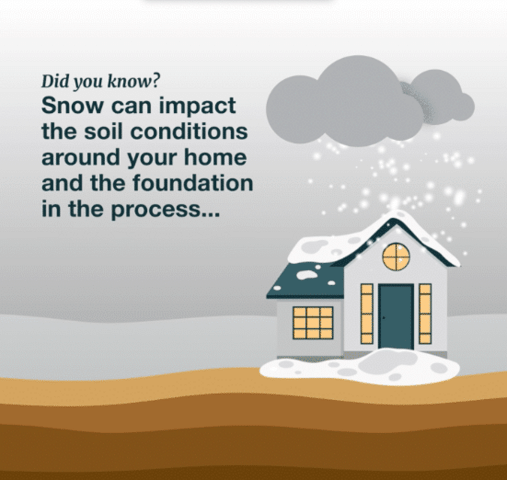
It’s easy to forget about your foundation when it’s buried under snow, but what’s happening underground is a different story. When water in the soil freezes, it expands with incredible force—enough to crack solid concrete. This frozen, expanding soil pushes against your foundation walls all season long. This constant pressure is exactly how winter weather affects a foundation, often in ways you can’t see until it’s too late. Let’s walk through the three biggest ways winter can damage your home’s base and what you need to watch for.
Hydrostatic Pressure
This occurs when pressure on the soil becomes saturated with water and expands when the soil becomes saturated to place a huge force against your foundation walls.
Freeze-Thaw Cycles
When a freeze and thaw cycle occurs, it can damage your concrete driveway, but it can also damage your foundation. The damage begins when the water is absorbed into the outside of your foundation, freezes, and then expands. The expansion develops a lot of pressure on the foundation, forcing it to crack.
After the freeze and thaw cycle occurs, it can compound the damage. The water that begins to seep into the small cracks of your foundation could freeze and push the sides of the crack apart, causing the crack to widen. This can occur with every freeze and thaw cycle.
Erosion
Erosion can be caused by rain, sleet, and melting snow throughout your yard. This can cause issues for your foundation as well. The grade within your yard should slope away from your foundation to help direct the waterway, but the erosion can also alter the slope. Any water that travels down can erode the soil and expose your foundation walls.
Erosions can appear if your downspout directs water near your home/ A downspout needs to be extended 5-10 feet out from your yard to avoid water near your foundation walls. If your experiencing your downspout is being close to your home, contact a Foundation Diagnosis and Design Specialist today and see how our team can help you and your family prevent water from causing issues to your foundation.
Winter weather can be challenging for you, your family, and your home. The wet and cold weather can both cause damage to your foundation when combined. Our team here at Vesta Foundation Solution wants to help your and your family reduce any further foundation damage.
Specific Causes of Winter Foundation Damage
The winter woes for your foundation go beyond general pressure and temperature swings. Several specific physical processes are at play, each one capable of causing significant stress and damage to your home’s structural base. Understanding what’s happening in the soil around and under your house is the first step to recognizing the risks. From the incredible force of expanding ice to the simple contraction of concrete in the cold, each element contributes to the potential for cracks, shifts, and leaks. These forces are especially powerful during the freeze-thaw cycles common in Arkansas winters, where temperatures can fluctuate dramatically, compounding the stress on your foundation over and over again.
The Power of Freezing Water
The fundamental principle behind most winter foundation damage is simple science: when water freezes, it expands by about 9%. While that might not sound like much, this expansion exerts an immense amount of force on anything containing it. When the soil surrounding your foundation becomes saturated with melting snow or rain and then freezes, it expands and pushes against your foundation walls. This constant pressure, known as frost pressure, can easily lead to cracks and bowing over the course of a single winter. The repeated cycle of freezing and thawing only makes it worse, as water seeps into tiny new cracks, freezes, and forces them wider.
Frost Heave
Frost heave is a specific and particularly damaging phenomenon that occurs when moisture in the soil freezes and expands, pushing the ground upward. If this happens directly beneath your home’s footings, it can lift sections of your foundation, causing it to become uneven. This upward movement is powerful enough to crack concrete slabs, shift support posts, and create significant structural imbalances. The most obvious signs of frost heave inside your home are new, large cracks appearing in your drywall, doors that suddenly stick or won’t close properly, and floors that feel sloped or uneven, as the very structure they rest on has been physically lifted.
Soil Shrinkage and Expansion
The ground your home sits on is not static; it changes with the seasons. During wet periods, the soil absorbs water and swells. During dry or frozen periods, it loses moisture and shrinks. This constant cycle of expansion and contraction causes the ground to shift, which can leave parts of your foundation unsupported when the soil shrinks away. When the soil becomes saturated and freezes, the expansion is even more dramatic. This movement puts continuous stress on the rigid concrete of your foundation, leading to cracks and settlement over time as the structure adjusts to its unstable base.
The Problem with Clay Soil
In areas with a high concentration of clay soil, like many parts of Arkansas, the effects of soil shrinkage and expansion are magnified. Clay is known for its ability to absorb and hold large amounts of water. When this water-logged clay freezes, the expansion is significant, placing enormous pressure on foundation walls. Conversely, when it dries, it can shrink dramatically, pulling away from the foundation and creating voids. This extreme cycle of swelling and shrinking makes homes built on clay soil particularly vulnerable to foundation problems, from minor cracks to severe structural settlement that requires professional intervention.
Concrete Contraction
It’s not just the soil that reacts to the cold; your concrete foundation does, too. Like most materials, concrete contracts when it gets cold and expands as it warms up. While this movement is subtle, it happens every year. Over time, this thermal contraction and expansion can weaken the concrete and lead to the formation of hairline cracks. These small cracks may not seem like a big deal at first, but they are entry points for moisture. Once water gets in and freezes, the expansion process takes over, turning a tiny crack into a much larger problem that can compromise your foundation’s integrity.
Other Winter Water Issues
Beyond the direct effects of freezing, the sheer volume of water from melting snow and ice presents its own set of challenges. As large piles of snow against your house melt, the water soaks directly into the ground next to your foundation. If the grading around your home isn’t sloped properly or your drainage systems are overwhelmed, this water can pool against the foundation walls. This creates significant hydrostatic pressure and increases the likelihood of water seeping into your basement or crawl space through existing cracks, creating a damp, musty environment that can lead to mold growth and wood rot. Proper basement waterproofing is key to preventing this.
Warning Signs of Foundation Damage
Foundation issues rarely happen overnight. They usually start small and worsen over time, especially after a harsh winter. The good news is that your house will give you warning signs long before a major failure occurs. The key is to know what to look for so you can catch problems early. By regularly checking the interior, exterior, and below-grade areas of your home, you can spot the tell-tale signs of foundation distress. Paying attention to these clues allows you to address the root cause before it leads to more extensive and expensive repairs. Think of it as a regular health check-up for your home’s structural core.
Interior Signs
The earliest and most common signs of foundation trouble often appear inside your living space. Because everything in your house rests on the foundation, any shift or settlement will transfer up through the structure, causing noticeable changes in your walls, floors, and ceilings. These signs are your home’s way of telling you that something is wrong at its base. Don’t dismiss a sticking door or a small crack as a normal part of an aging house; it could be an indication of a much larger issue brewing below.
Cracks in Walls, Floors, and Ceilings
While not all cracks are cause for alarm, certain types are classic indicators of foundation movement. Look for jagged, diagonal cracks extending from the corners of doors and windows, or “stair-step” cracks in brick or concrete block walls. Horizontal cracks are particularly serious, as they often signal intense pressure from the soil outside. If you notice cracks in your basement floor or see that existing cracks are getting wider or longer, it’s a clear sign that the foundation is under stress and likely requires a professional evaluation to prevent further damage.
Sticking Doors and Windows
Have you noticed a door that suddenly won’t latch or a window that’s become difficult to open and close? This is often a direct result of foundation settlement or heave. When your foundation shifts, it warps the frames of your doors and windows, causing them to go out of square. They may stick, jam, or show visible gaps around the edges. While humidity can cause wood to swell, doors and windows that consistently stick year-round are a strong signal that the problem lies with the structural integrity of your home’s foundation.
Uneven or Sloping Floors
Your floors should be level. If you notice a distinct slope in a room, or if you can place a ball on the floor and watch it roll to one side, your foundation has likely settled unevenly. You might also feel soft or bouncy spots in the floor, which can indicate that the support posts in your crawl space or basement are failing or sinking. Uneven floors are more than just a nuisance; they are a significant red flag that a portion of your home is no longer being properly supported by the foundation beneath it.
Gaps Between Walls and Ceilings
Another clear sign of foundation movement is the appearance of gaps where your walls meet the ceiling or the floor. As the foundation settles or shifts, it can pull the wall framing down with it, causing the drywall to separate. You might also notice that your baseboards or crown molding are pulling away from the wall. These gaps are a visual representation of the stress your home’s structure is under and should be taken seriously as an indicator of underlying foundation issues that need to be addressed.
Exterior Signs
A quick walk around the outside of your property can reveal some of the most dramatic signs of foundation failure. Exterior issues often point to significant structural movement that has been happening for some time. These signs are typically easy to spot if you know what you’re looking for. Pay close attention to your chimney, foundation walls, and any brick or stonework, as these areas will clearly show the effects of soil pressure and settlement. Catching these external clues early can help you take action before the damage becomes severe.
Leaning Chimney
A chimney that is tilting or pulling away from the rest of the house is a major warning sign. Most chimneys are built on their own separate footing, and if that footing begins to sink or settle due to unstable soil, the entire structure will start to lean. You might see a growing gap between the chimney and the siding of your home. This is not a cosmetic issue; it’s a serious structural problem that indicates deep-seated instability in the ground supporting both your chimney and your home.
Bowing or Bulging Foundation Walls
Take a close look at the visible portion of your foundation walls from the outside, or check your basement walls from the inside. If you see any inward bowing or outward bulging, it’s a direct result of excessive pressure from the surrounding soil. This is often caused by the expansion of freezing, water-saturated soil during the winter. Bowing walls are under immense stress and are at risk of collapse if not stabilized. This is one of the most urgent foundation repair issues and requires immediate professional attention to secure your home.
Basement and Crawl Space Issues
The areas beneath your home often provide the most direct evidence of foundation and water-related problems. Because your basement and crawl space are closest to the foundation, they are the first places to show signs of moisture intrusion and structural decay. A regular inspection of these spaces is crucial, even if you don’t use them often. A musty smell or a damp feeling in the air is your first clue that you need to take a closer look for more specific signs of trouble.
Water Stains and Dampness
Water stains on basement walls, a persistent musty odor, or visible damp spots are all signs that water is getting through your foundation. These leaks are often the result of cracks caused by frost pressure or settlement. In a crawl space, you might see damp insulation or dark stains on the wooden support beams. This moisture creates a perfect environment for mold and mildew to grow, which can rot your home’s wooden structures and negatively impact your indoor air quality. A damp crawl space is a clear candidate for crawl space repair and encapsulation.
Crumbling or Flaking Concrete
If you notice the surface of your concrete foundation walls is crumbling, flaking, or chipping away, it’s a process called spalling. This is often caused by moisture penetrating the concrete and then freezing, causing the surface to break apart. It can also be a sign that the concrete itself is deteriorating due to age or poor quality. Crumbling concrete is a clear indication that your foundation is weakening and losing its structural integrity, making it more susceptible to cracks and water intrusion.
How to Prevent Foundation Problems in Winter
While you can’t control the weather, you can take proactive steps to protect your home from the damaging effects of winter. Most foundation problems are caused by water and poor drainage, so managing the moisture around your property is the single most effective thing you can do. By implementing a few key maintenance tasks before the cold weather sets in, you can significantly reduce the stress on your foundation and minimize the risk of costly repairs down the road. A little prevention goes a long way in preserving the structural health of your home for years to come.
Improve Drainage
The golden rule of foundation protection is to keep water away from it. The soil around your foundation should be your first line of defense, not a sponge that holds moisture against your walls. Ensure the ground around your house, known as the grade, slopes away from the foundation by at least six inches over the first ten feet. This will help direct rainwater and melting snow away naturally. If you have persistent low spots where water pools, you may need to add soil to build up the grade and prevent water from saturating the ground near your home.
Clean Gutters and Extend Downspouts
Your gutters and downspouts are your home’s primary water management system. If your gutters are clogged with leaves and debris, water will overflow and pour directly down next to your foundation. Before winter, make sure your gutters are clean and clear. Additionally, check your downspouts. They should extend at least four to six feet away from your house to discharge water a safe distance from your foundation. If they empty right at the corner of your home, you’re essentially directing all the roof water to the place where it can do the most damage.
Clear Snow Away From the Foundation
It might be tempting to pile snow up against your house when you’re shoveling, but this creates a major problem when it melts. A large pile of snow against your foundation will release a concentrated amount of water directly into the soil as it thaws, leading to oversaturation and increased hydrostatic pressure. After a snowfall, make an effort to move snow at least three to five feet away from your foundation walls. This simple step prevents a massive influx of water from soaking the ground right where it can cause the most harm.
Seal and Insulate
Before winter arrives, take a walk around your foundation and seal any small cracks or gaps you find with a high-quality polyurethane or epoxy sealant. This is a simple DIY task that can prevent moisture from seeping into the concrete and freezing, which would force the cracks to become larger. Inside, insulating your basement or crawl space can also help. Insulation helps regulate the temperature and can prevent the repeated freezing and thawing of moisture that might be present on the interior of the foundation walls, reducing the risk of spalling and further damage.
Maintain Your Home’s Systems
Your home has systems designed to help manage water, but they only work if they are properly maintained. This includes everything from your exterior drainage to interior mechanical systems like sump pumps. A holistic approach to home maintenance ensures that all components are working together to protect your foundation. Taking the time to check on these systems before the wettest, coldest part of the year can save you from a flooded basement and the foundation damage that often follows.
Ensure Your Sump Pump is Working
If you have a basement, your sump pump is your last line of defense against flooding. Before the winter melt begins, it’s critical to make sure it’s in good working order. Test your sump pump by pouring a bucket of water into the sump pit to ensure the float activates and the pump turns on. You should also consider installing a battery backup system. Winter storms can cause power outages, which is often when you need your sump pump the most. A reliable pump is a key part of your basement waterproofing products arsenal.
Get a Professional Inspection
The best way to ensure your home is prepared for winter is to have a professional inspect your foundation. An expert can spot subtle signs of trouble that you might miss and identify potential problem areas before they escalate. They can assess your drainage, check for cracks and signs of movement, and provide recommendations tailored to your specific property. At Vesta Foundation Solutions, we offer a free inspection to help homeowners in Arkansas understand the condition of their foundation and take the right preventative steps for lasting peace of mind.
Addressing Foundation Damage
Even with the best preventative measures, foundation damage can still occur, especially in older homes or properties with persistent soil and water issues. When you spot the warning signs of a problem, the most important thing to do is act quickly. Ignoring foundation damage won’t make it go away; it will only allow the problem to get worse, leading to more extensive and costly repairs. Addressing the issue head-on with professional help is the key to restoring your home’s stability and protecting your investment for the long term.
When to Schedule Repairs
You should schedule a professional inspection and repair as soon as you notice clear signs of foundation damage. This includes new or expanding cracks in your walls, sticking doors and windows, or sloping floors. Don’t wait for the problem to get worse. Small cracks can quickly turn into major leaks, and minor settlement can lead to significant structural instability. The sooner you address the issue, the more likely it is that the repair will be simpler and less expensive. Winter weather can accelerate existing problems, so calling for help at the first sign of trouble is always the best course of action.
Professional Repair Solutions
When it comes to fixing your foundation, professional solutions are designed to address the root cause of the problem, not just the symptoms. A qualified foundation repair contractor will have the expertise and specialized equipment to provide a permanent solution. Unlike a simple patch or cosmetic fix, professional repairs stabilize your home’s structure and prevent future damage. From reinforcing bowing walls to lifting a sunken foundation, these solutions are engineered to restore the integrity of your home and give you lasting security.
Foundation Piering Systems
For foundations that have settled or sunk, one of the most effective and permanent solutions is a foundation piering system. These systems involve driving or screwing steel piers deep into the ground until they reach stable soil or bedrock. The weight of your home is then transferred onto these incredibly strong piers, which stabilizes the foundation and can even be used to lift it back to its original position. Helical piers and push piers are common types of foundation repair products that provide a reliable, long-term fix for settlement issues.
Waterproofing and Sealing
If your foundation problems are primarily related to water intrusion, a professional waterproofing system is essential. This goes far beyond simply sealing cracks. A comprehensive solution may include installing an interior drainage system to capture any water that seeps in, a sump pump to actively remove it, and a heavy-duty vapor barrier to keep moisture out of your crawl space. Professional crawl space waterproofing and basement systems are designed to manage water effectively, keeping the area dry and protecting your foundation from the constant pressure and damage caused by moisture.
Frequently Asked Questions
Are all wall cracks a sign of serious foundation trouble? Not necessarily. It’s normal for a house to have a few hairline cracks from settling over time. The ones you need to pay attention to are the cracks that signal real stress. Look for diagonal cracks coming off the corners of doors and windows, stair-step patterns in brickwork, or any horizontal cracks. If you see these, or if any crack seems to be getting wider, it’s a good idea to have it looked at.
My house is only a few years old. Should I still be concerned about winter foundation damage? Yes, you should. Foundation problems are less about the age of your house and more about the soil and water conditions around it. A brand new home built on unstable or clay-heavy soil can experience issues from frost heave and hydrostatic pressure just like an older home. The forces of freezing and thawing water don’t discriminate based on age.
Can foundation repairs even be done during the winter? Absolutely. In fact, it’s often better to address issues as soon as you find them rather than waiting for spring. Postponing repairs can allow melting snow and spring rains to make the problem worse. Professional crews are equipped to work year-round, and stabilizing your foundation before the big thaw can prevent more significant damage.
I’ve already cleaned my gutters and extended my downspouts, but I still see signs of moisture in my basement. What else can I do? First off, great job on taking those preventative steps, as they are critical. If you’ve managed your roof water and still have dampness, the issue is likely coming from the groundwater in the soil surrounding your foundation. This points to problems like poor yard grading or intense hydrostatic pressure that can only be solved with professional solutions like an interior drainage system or a sump pump.
How can I tell the difference between normal house settling and a real foundation problem? Normal settling usually happens early in a home’s life and then stops. The signs are very minor and static. A true foundation problem, however, involves ongoing or new changes. For example, a door that has always been a little sticky is different from a door that suddenly starts jamming this winter. Sloping floors, widening cracks, and gaps appearing between walls and ceilings are all active signs that point to a problem that needs attention.
Key Takeaways
- Winter’s biggest threat is expanding, frozen soil: When water in the ground freezes, it expands with enough force to crack concrete and shift your foundation. This process is the root cause of most cold-weather structural issues like bowing walls and uneven floors.
- Look for signs of stress inside your home: Foundation movement often shows up as interior problems first. Pay attention to new diagonal cracks near doors and windows, doors that suddenly stick, or floors that feel uneven, as these are early warnings of a bigger issue.
- Proactive water management is key to prevention: You can significantly reduce risk by keeping water away from your foundation. Simple steps like cleaning gutters, extending downspouts, and grading soil are crucial. If you already see damage, professional solutions are necessary for a permanent fix.